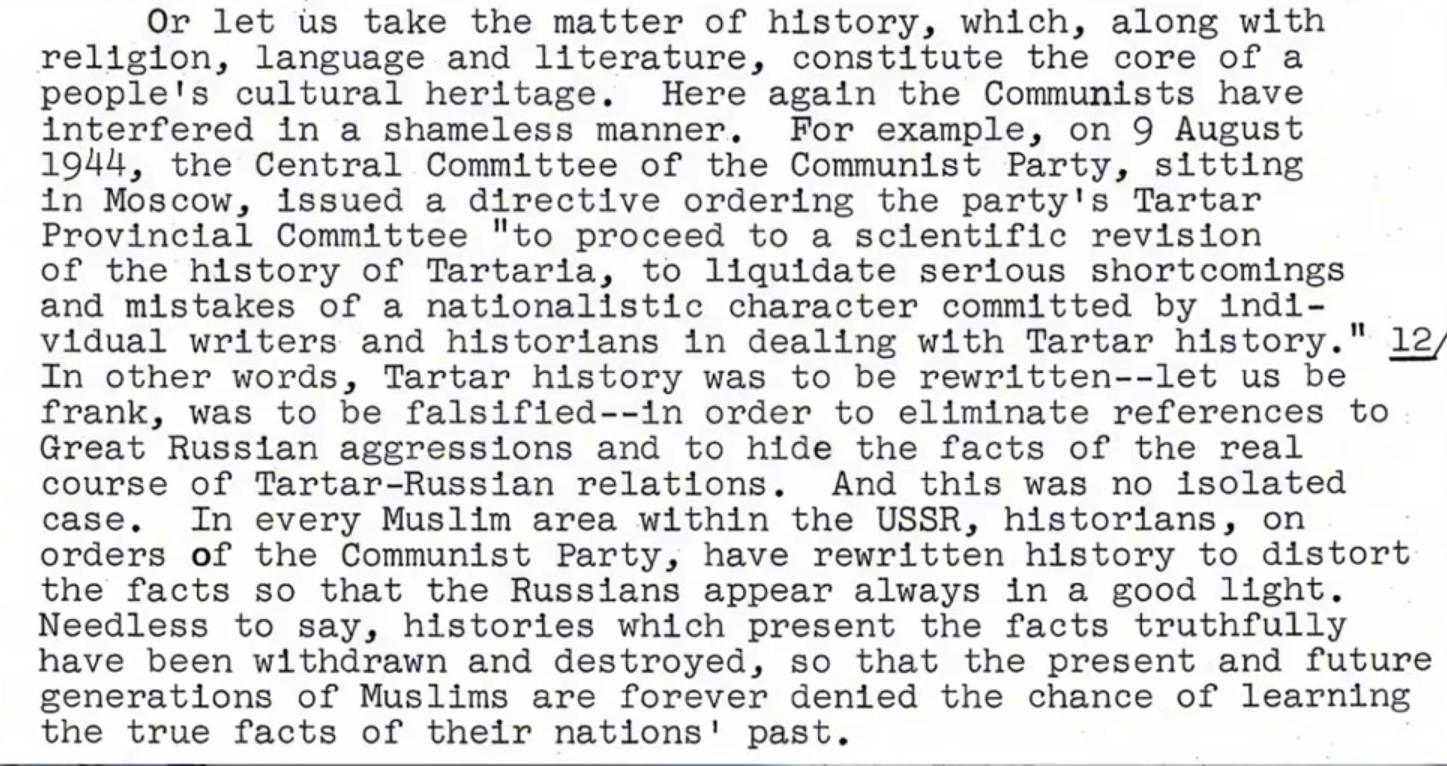
This CIA internal report from 1957 refers to how Tartaria was written out of history under Soviet rule, which as we now know happened all over the world.
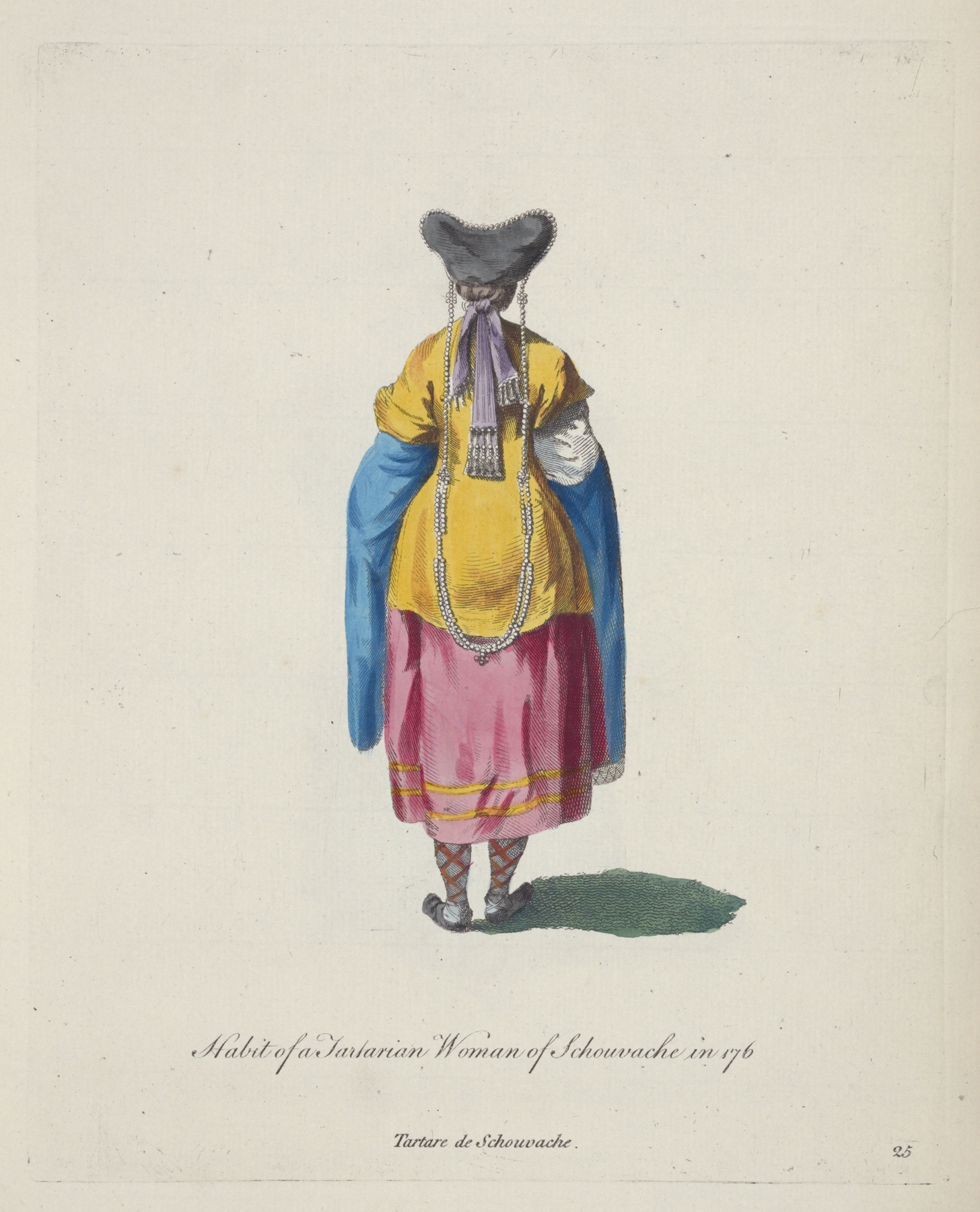
Habit of a Tartarian woman of Schouvache in 1768. Tartare de Schouvache. 1757-1772. Charles Grignion (English, 1721–1810),
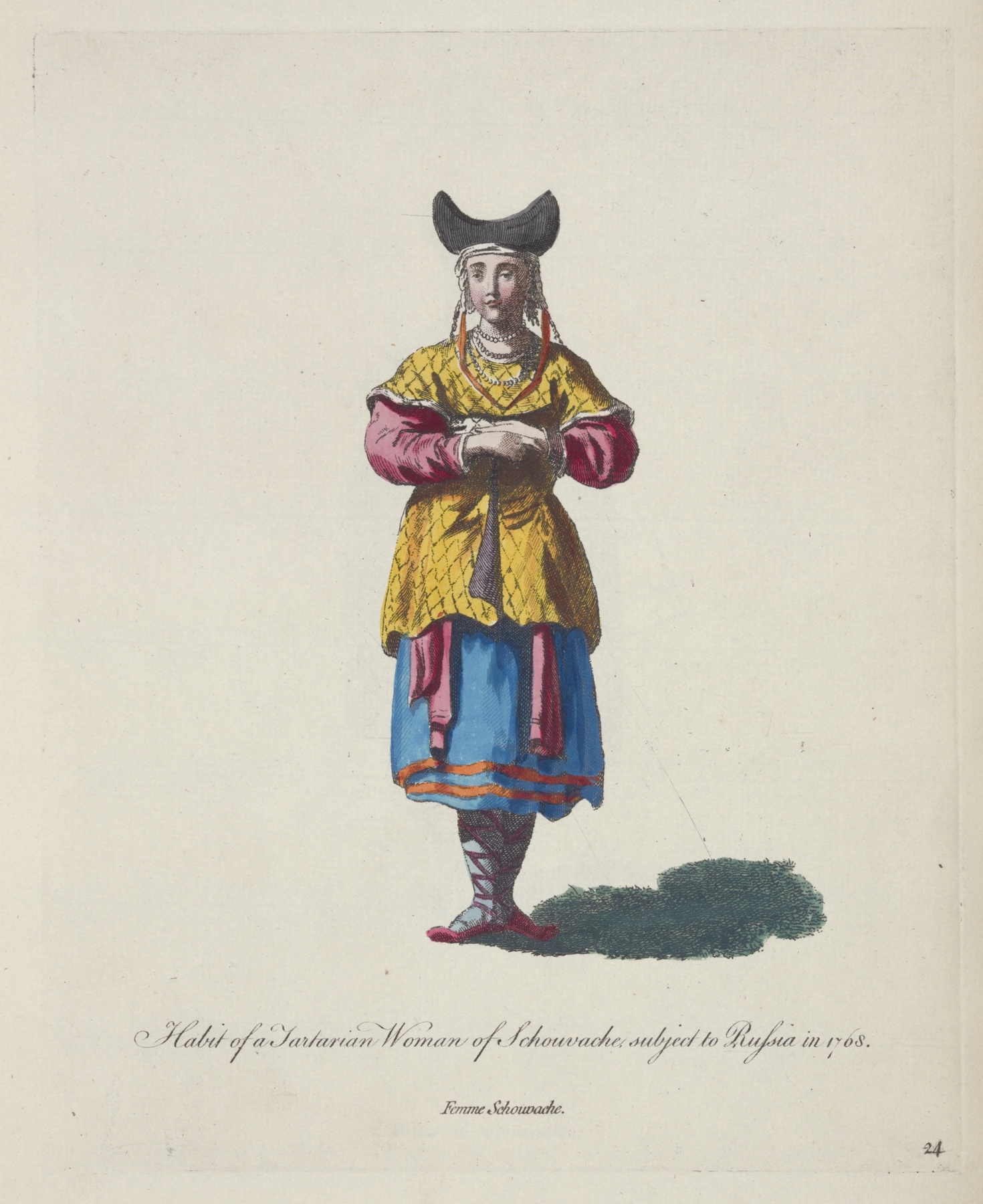
Habit of a Tartarian woman of Schouvache subject to Russia in 1768. Femme Schouvache. (1757-1772).
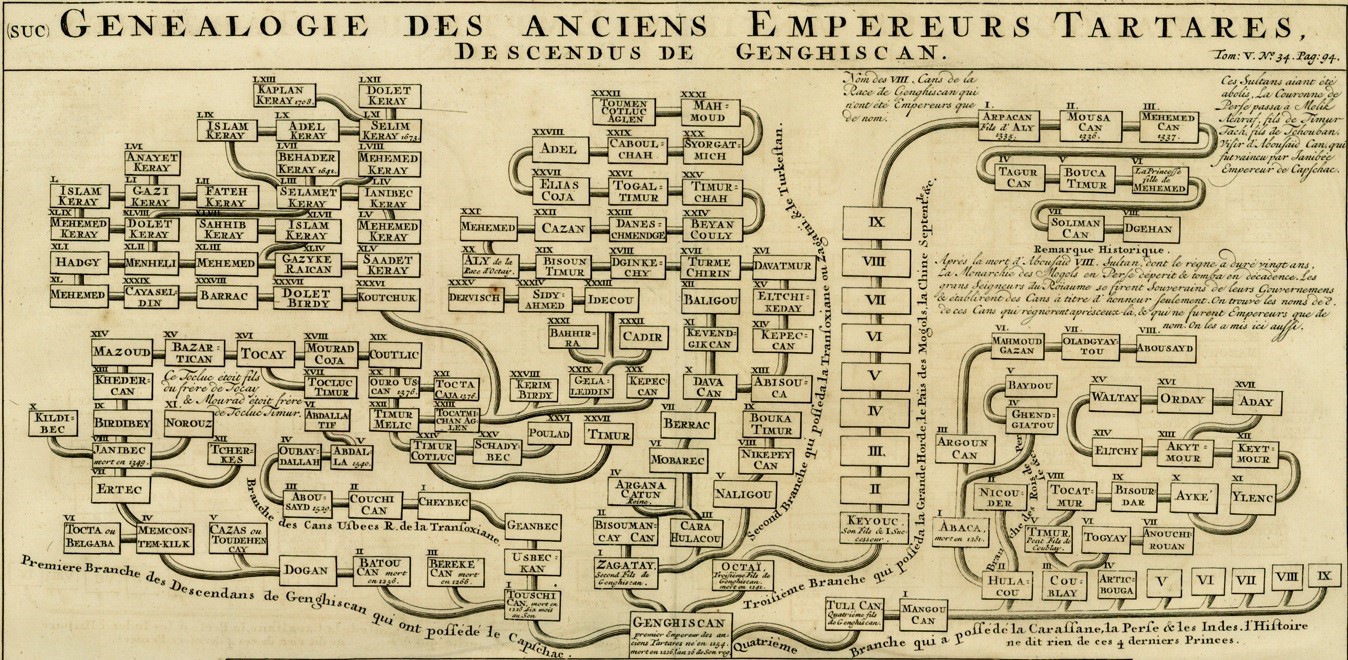
Genealogy of the ancient Tartarian emperors
And the ubiquitous Genghis Kahn sits at the root. Note that most names are Turkish and the same is true for Genghis Kahn's family tree. Possibly these were Uyghurs, and one of the things Genghis Kahn is most famous for, is for introducing the Uyghur script to Mongolia.
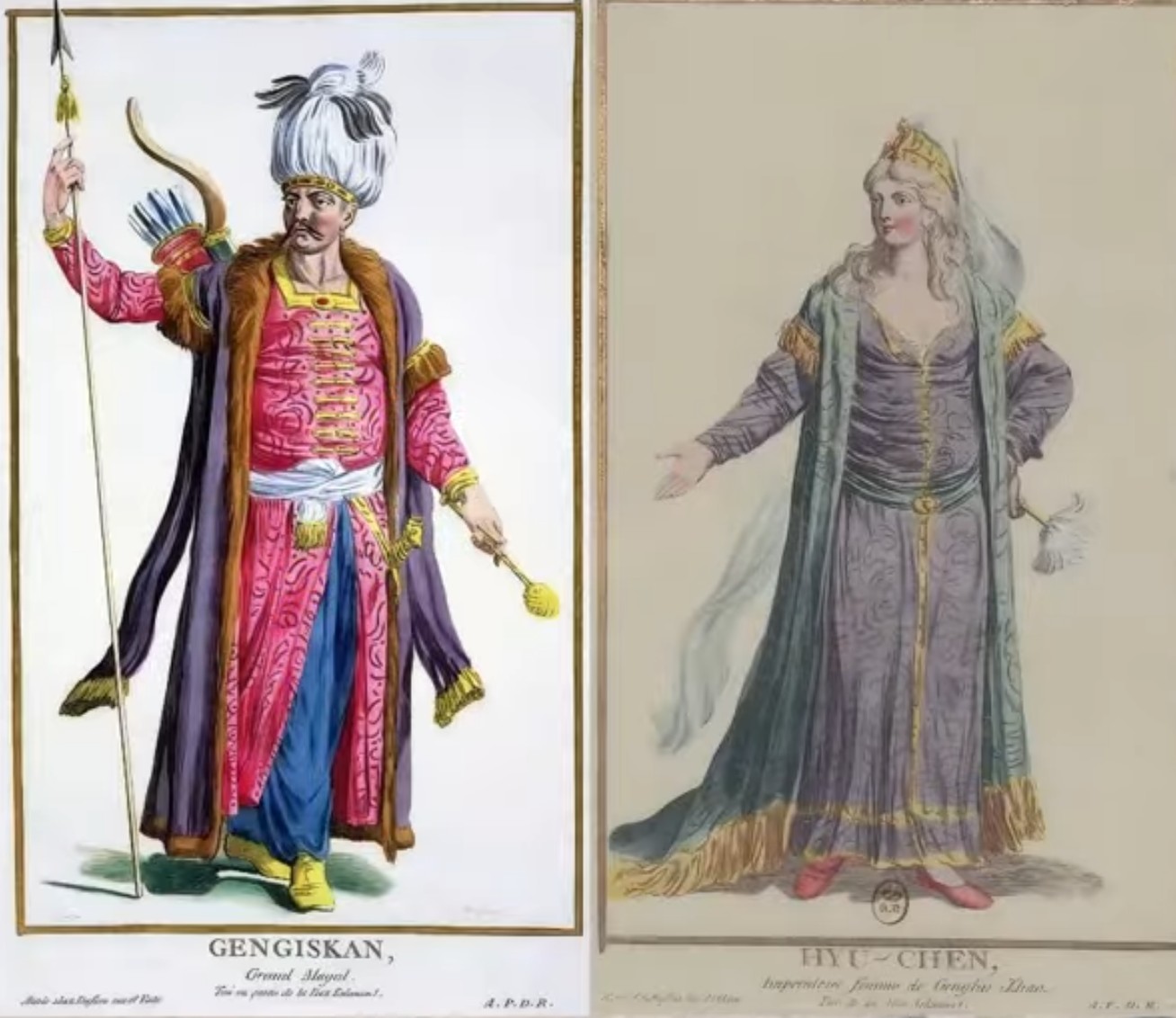
Here Genghis Kahn and his spouse are depicted in Turkish attire. In previous centuries many European illustrators depicted people of all races as European, but as far as I know Genghis and his descendants were definitely Asian. The Turkish clothing may well be correct.
" ... in the governments of Europe which were founded by the German and Scythian nations who overturned the Roman empire", even when Smith refers to the Tartar lands as solely being occupied by "shepherds" (as opposed to recognizing Tartaria as an advanced civilization), which has to be why his text is allowed to exist in the mainstream in the first place. The Wealth of Nations was published in the fateful year of 1776, which Tartaria researchers often identify as the year of the beginning of the final stage of the reset.
To make some sense of the above, I postulate the following: as all geopolitics is exopolitics, reptilian hybridization of the European (German) royal dynasty has to come into it at some point. This would have had to start within the German dynasty, which spread to the Romanovs into Tartarian heartland. That's when Tartaria started to crumble from within.
Before the early 20th century the international monetary system was based upon sovereign gold reserves, which were considerable but ultimately insufficient to finance the wars of the 19th and 20th century. Then, in the 1910s, parliaments around the world voted for the founding of national banks that could draw in more gold reserves to back the new money system, and as it turned out, procure loans from the Rothschild banking system. The latter gained a controlling foothold in most national banks and that is how the German dynasty was effectively disempowered.
Give or take a few inevitable, hopefully minor, inaccuracies in the above, this is the broader picture of how the new European and American occult oligarchs seized power at the expense of the sovereign caste.
The central argument in favour of the creation of the Federal Reserve Bank, the third attempt at the creation of an American Central Bank, was the financial panic of 1907, about which this video has the following to say:
Things you've always suspected, but don't properly sink in until someone actually says it, in this case a YouTube channel. The he in the quote below is Edmund Grayfield Hosmer (?), a Philadelphia banker who was present (according to the YouTube channel) at the Jekyll Island meeting during which the Federal Reserve Bank was informally created.
How and why financial crises are manufactured:
Low rates to encourage borrowing and speculation. Then, at the appropriate moment, a sharp contraction, credit pulled back, forced liquidations, bank runs. The destruction of paper wealth on a scale that would transfer real assets, land buildings, infrastructure, productive capacity from the many to the few at prices that would have been unimaginable two years earlier.
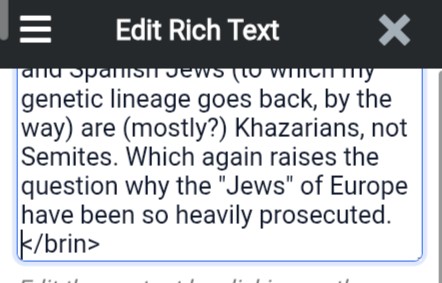
What's with the <brin> tag, which either a plugin or WordPress proper, produced, while I wrote the above? A brin tag html search gives nothing, unless it refers to Block Range Index.
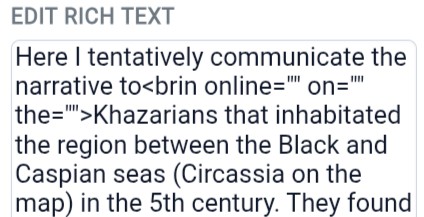
If it's just a technical thing, for a script's internal bookkeeping, then they might have chosen a tag name a little less suggestive.
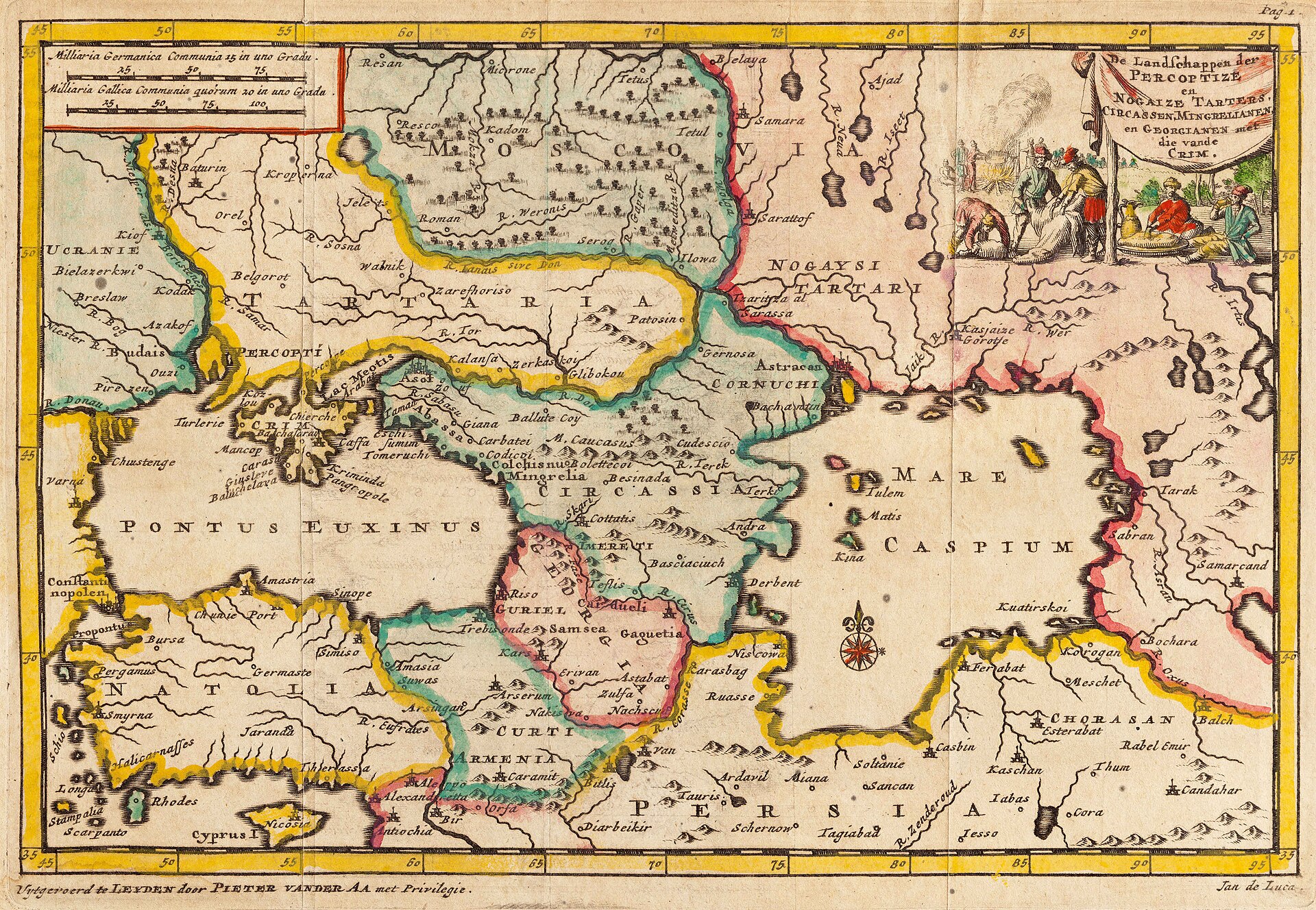
If Tartaria, as a worldwide civilization, was a network, not an empire, then why do we associate this global network with a regional entity? Why are the Mongols, the Scythians and perhaps the Russians, central to the Tartarian narrative? Is it because the rediscovery of suppressed history often starts with noticing the discrepancies between old maps and institutional history, and there the complete and essentially unexplained disappearance of Tartaria is the most conspicuous? Then, when other anomalies present themselves, such as the half-buried buildings, the two become part of the same narrative. If, on the other hand, there is more to this, then indeed, the question why the most recent global reset centers around a forgotten region in Asia, remains one of the key issues in Tartarian research.